
Frequently asked questions
-
An online appointment is similar to a face-to-face appointment with a physiotherapist. We will conduct an in-depth assessment to get a good understanding of how we can help you best. This assessment will include chatting about your pain, having a look at your movements and discussing about your goals. Following which, we will work with you to build a treatment plan that matches your situation and your expectations.
-
It is even easier than you might think, all you need is an internet access and a communication device with a camera, such as a smartphone, a tablet or a computer. We will send you all the information you need to get ready before an appointment and we can provide you with some support along the way. Make sure that you set up your environment so that it is safe and that you can stand in front of the camera, if needed.
-
Our initial evaluation (1 hour) costs $100. Our return appointments (45 minutes) cost $80.
-
You can access our online services wherever you live in Canada.
-
We think that pretty much everyone would benefit from our services, but we are slightly biased… More seriously, we focus on pain management, which means that anyone who experiences pain can benefit from our services. Physiotherapy can support you in a lot of way, whether you have a fairly recent injury or have been in pain for a while. In case online appointments are not for you, we can refer you to other collaborators that could see you face-to-face.
-
We can definitely see you without a referral from a doctor. However, some insurances require you to be referred by a doctor. If relevant, make sure to confirm this with your insurance before booking an appointment with us.
-
Most of the private insurances now cover online physiotherapy, and we recommend that you check this with your insurance provider. You should always confirm with them before booking an appointment on Physio Connection. We will provide you with a receipt when you pay for your appointment, so that you can submit it to claim this health expense. We are actively working to bring this to people covered by public insurance plans, such as the SAAQ or the OHIP. Feel free to contact us for more information.
-
We detail below our approach in more details, including some of the scientific studies behind the care we provide. Feel free to contact us if you have any other questions!

Our approach
You might wonder how online pain management works and what it would look like for you to work with us. Our approach is focused on the idea of providing people with the support they need to make meaningful changes in their lives and maintain them over the long-term. We believe that helping you build the skillset to become independent and confidently in charge of your life is a great way for you to re-engage fully in meaningful activities. More specifically, our approach to pain management consists of two pillars: learning about pain and getting moving.
Pillar 1: Learning about pain
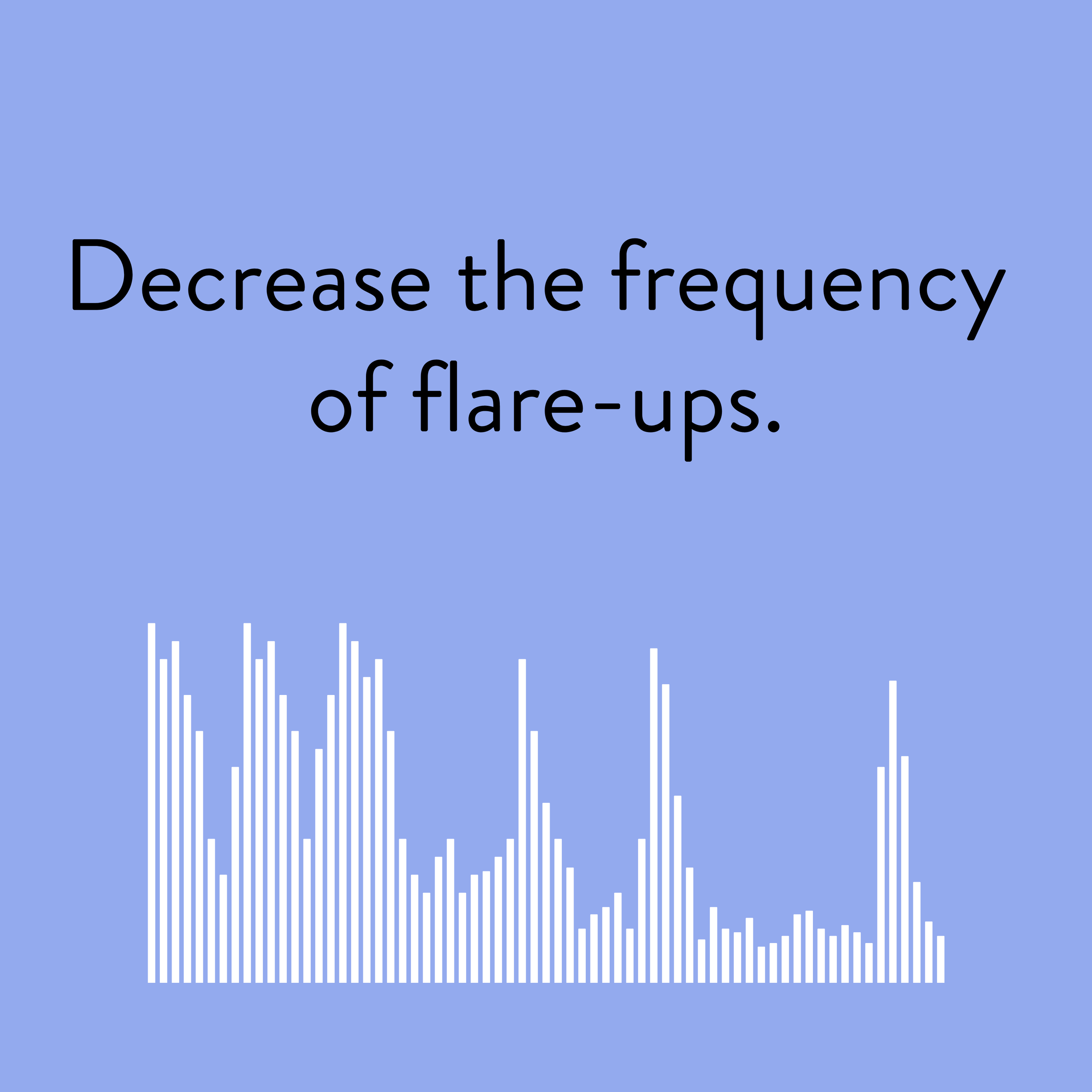
The science shows how much something as “simple” as learning about pain can help you. Having a better understanding of pain can reduce how much pain you experience, decrease the frequency and intensity of flare-ups and increase your quality of life. Overall, it can help you feel hopeful and discover a new sense of possible.
Each of our physiotherapist has a unique way to do so, and they will all help you to better understand your pain and – more importantly – what to do about it.




Pillar 2: Getting moving
It is no secret how important movement is. On its own, it can reduce how much pain you feel and increase how much you can do. More generally, it can also help with making your body more resilient, improving your mental health and increase your quality of life. It is essential for most goals that you have but it can be quite tricky to get moving when you have pain.
This is where Physio Connection can help you. Since we understand pain really well, we can work with you to find the right balance between getting moving and not flaring up. This will help you harness the power of movement to manage your pain and start living your life again.


References
For people who enjoy reading scientific articles, here are a few key studies that you might find interesting. Enjoy!
Moseley GL, Butler DS. Fifteen Years of Explaining Pain: The Past, Present, and Future. J Pain. 2015 Sep;16(9):807-13. doi: 10.1016/j.jpain.2015.05.005. Epub 2015 Jun 5. PMID: 26051220.
Louw A, Zimney K, Puentedura EJ, Diener I. The efficacy of pain neuroscience education on musculoskeletal pain: A systematic review of the literature. Physiother Theory Pract. 2016 Jul;32(5):332-55. doi: 10.1080/09593985.2016.1194646. Epub 2016 Jun 28. PMID: 27351541.
Bonatesta L, Ruiz-Cárdenas JD, Fernández-Azorín L, Rodríguez-Juan JJ. Pain Science Education Plus Exercise Therapy in Chronic Nonspecific Spinal Pain: A Systematic Review and Meta-analyses of Randomized Clinical Trials. J Pain. 2021 Oct 20:S1526-5900(21)00346-1. doi: 10.1016/j.jpain.2021.09.006. Epub ahead of print. PMID: 34678468.
Siddall B, Ram A, Jones MD, Booth J, Perriman D, Summers SJ. Short-term impact of combining pain neuroscience education with exercise for chronic musculoskeletal pain: a systematic review and meta-analysis. Pain. 2022 Jan 1;163(1):e20-e30. doi: 10.1097/j.pain.0000000000002308. PMID: 33863860.
Bülow K, Lindberg K, Vaegter HB, Juhl CB. Effectiveness of Pain Neurophysiology Education on Musculoskeletal Pain: A Systematic Review and Meta-Analysis. Pain Med. 2021 Apr 20;22(4):891-904. doi: 10.1093/pm/pnaa484. PMID: 33764394.
Romm MJ, Ahn S, Fiebert I, Cahalin LP. A Meta-Analysis of Therapeutic Pain Neuroscience Education, Using Dosage and Treatment Format as Moderator Variables. Pain Pract. 2021 Mar;21(3):366-380. doi: 10.1111/papr.12962. Epub 2020 Nov 22. PMID: 33131210.
Watson JA, Ryan CG, Cooper L, Ellington D, Whittle R, Lavender M, Dixon J, Atkinson G, Cooper K, Martin DJ. Pain Neuroscience Education for Adults With Chronic Musculoskeletal Pain: A Mixed-Methods Systematic Review and Meta-Analysis. J Pain. 2019 Oct;20(10):1140.e1-1140.e22. doi: 10.1016/j.jpain.2019.02.011. Epub 2019 Mar 1. PMID: 30831273.
Wood L, Hendrick PA. A systematic review and meta-analysis of pain neuroscience education for chronic low back pain: Short-and long-term outcomes of pain and disability. Eur J Pain. 2019 Feb;23(2):234-249. doi: 10.1002/ejp.1314. Epub 2018 Oct 14. PMID: 30178503.